Sunday, 29 November 2015

Sterotypical Characters in Horrors/Thrillers


Antagonist (Horror/Thriller)
Within the horror genre, you will always have an Antagonist. This character is someone that acts against the protagonist (good character e.g. a hero). This could be either a group or a single person. This character causes problems for the protagonist through the storyline. 
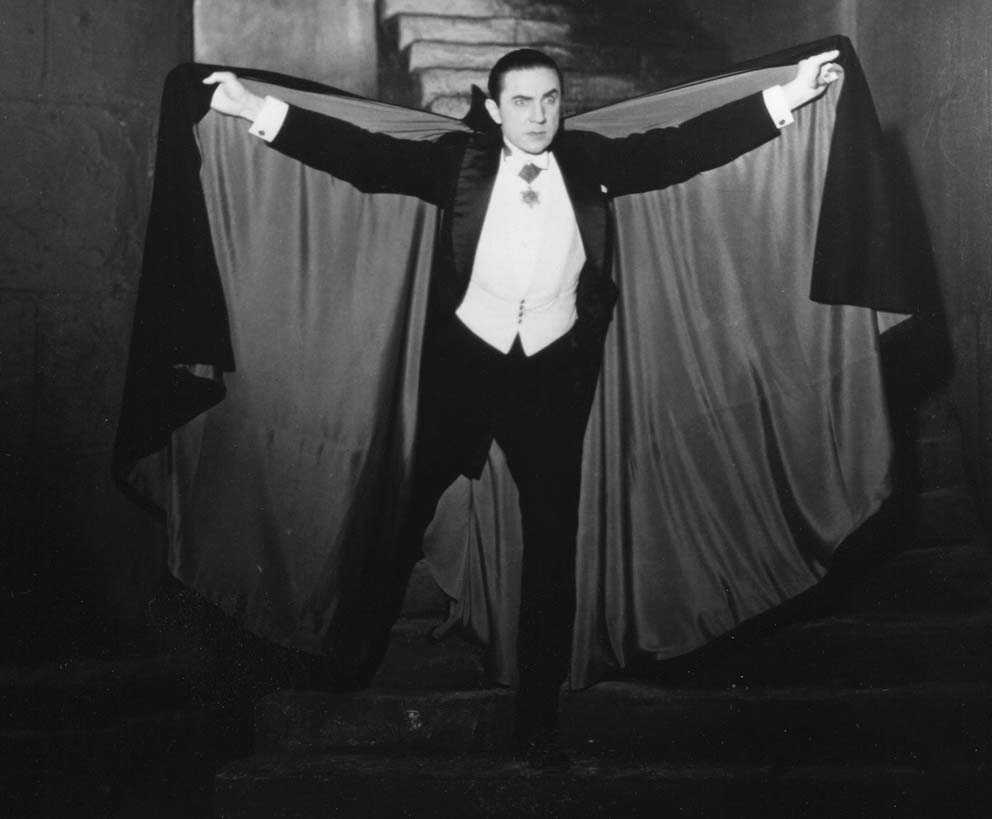

http://derekwinnert.com/wp-content/uploads/2013/07/18.jpgThe most popular antagonist that is known with audiences is Dracula. Throughout the many versions of Dracula, the character still has the same stereotypical values since Bela Lugosi's version in 1931. This is in regards to age, gender, social class, costume etc. Due to these values, this contributes to the fact that the character is remembered even in modern day.


Dracula is known to be middle aged (40-50 years old), white Caucasian, male and he is known for having an Eastern European accent. This stereotype has not been changed in almost 100 years. 


Some of the typical values are as followed:
 - White Caucasian
 - Male
 - Middle aged
 - Ugly
 - Wears a black cloak
 - Fangs
 - He usually lives in the mountains

Some examples of antagonists in famous horror films would be Chucky, Norman Bates and Hannibal Hector.


Protagonist (Horror/Thriller)
In Horror films, you need to have an protagonist who will fight against the antagonist. This is the basis for the storyline. It keeps the audience interested in the film because they want to know whether the protagonist wins the 'battle'. The protagonist is also usually the main character in the film because you follow their journey through the film.


A well known character would be James Bond. This character appears in many thriller films. Since the first James Bond film, Dr No in 1962, the typical character has stayed the same. The James bond character is a white Caucasian and English. The character has always been known for his suave and sophistication. The character is always male too. James Bond is also known for wearing black suits with a black bow tie.  Some of the stereotypical values for this character is:

 - Male 
 - Masculine build
 - Strong
 - Brave
 - Good looking
 - Smart


Over the years, the protagonist is starting to be a female. This is challenging the conventions of a horror film when concerning a protagonist. An example of a female protagonist in a thriller film would be in the series of films called The Hunger Games. The character is Katniss Everdeen. This is a female protagonist within the film. She is fighting what is called 'the capital' in the film. This is a modern take on a stereotypical character. 


Below are two more protagonists that are popular with audiences today.


A popular protagonist that is known today is Harry Potter. Harry Potter originated from the fantasy novels written by the famous British author J.K. Rowling. The series is about the life of a young wizard called Harry Potter. The books were later transformed into films. The first film was released in 2001. The actor who played Harry Potter was Daniel Radcliff. This character is male, good looking and smart. These are some of
the typical values that a protagonist is.


Another modern protagonist would be Sherlock Holmes. This character also originated from a novel. The fictional character was created by British author Sit Arthur Conan Doyle. Sherlock Holmes is a London-based "consulting detective" who is known for his logical reasoning and his use of forensic science to solve difficult cases. The character first appeared in print in 1887. The novel was then turned into a film also in 2009. Sherlock was played by Robert Downey Jr. This character also has some of the traditional values like being male, smart and brave.

Lastly, below are two of the most famous antagonists that are popular with todays audiences.


On of these antagonists would be the Joker. Once again this character also appeared in fiction. Although the character did not appear in normal books, he appeared in comics. The first appearance was in the comic book Batman in April 1940. This character has appeared in the most recent film, The Dark Knight Rises which is a Batman film. This character follows some of the stereotypical values of antagonist like being a male, ugly appearance and middle aged.


Darth Vader is also a famous and modern antagonist. This character did not originate from novels. The character was created was created by George Lucas and he has been portrayed by several different actors. The first appearance of this character was in the first Star Wars films in 1977. The character only seems to follow one value which is that the character is male. In the Star Wars films, the character seems to be wearing a costume which covers his whole body. The theme of the film is Sci-Fi which means that it is very futuristic. Therefore this explains why the character is seen to be wearing a robotic costume.


Wednesday, 25 November 2015

Saw - Opening Scene


Task 2.1 Research into Existing Products

In order to know more about the Horror genre, I decided to focus on the film Saw which was released in 2004. This film is an American psychological horror film. The storyline is two men find themselves chained in a derelict bathroom with one man being ordered to kill the other or his family will die. This is the first film out of the seven-part series.


A key camera shot that was used in the opening scene was a hand held shot. This shot is used in order to make the audience feel the eeriness of the scene. This shot was used at the beginning of the opening scene when the first man, Adam, was shown by using an close up. You was able to see Adam's reaction when he was able to see his surroundings. By using this shot, the audience was able to feel the uneasiness and tension at this part of the scene. Another shot that was used during the film was reverse tracking at a low angle. This was used at the point in the scene where the lights turned on. As you can see from the clip, this shot allows the audience to watch the lights turn on one by one. by using this shot, it creates an uneasiness feeling for the audience because they are unaware of what they are about to see. By the lights turning on, it means that the storyline begins to uncover for the audience. Another key shot that was used within the scene was a subjective POV. This shot is when you see the environment or another person through a characters eyes. In the scene, this shot was used when Adam, the first appearing male character was adjusting to the light. This shot was used because it allowed the audience to see what the character sees. It is the first time the audience is able to see the environment that the character has been put in. Also, it gave the audience a feeling of confusion and disorientation. This is because the shot focuses in and out so the environment slowly becomes clear. It means that the audience can feel as if they are part of the film.
Within the scene, there was sounds used in order to tell the audience about the film and the characters. Throughout the scene, there was incidental music playing in the background. the volume of this music is low in order for the audience to be able to here the characters dialogue. Incidental music is used within a film to set the scene for the audience. The music tends to fit in with the action which is happening on scene. The music makes the audience feel eerie when watching the film/scene. It lets the audience know that there is an element of tension and mystery which makes them want to know what is going to happen. Another type of sound that has been used would be dialogue between characters. This dialogue starts with the character, Adam, begins to shout help. The next part of the dialogue is the other character tries to calm Adam down. After this the character start to get to know each other since they both know that they are trapped. By the dialogue you begin to know about the characters. The doctor seems to take control with a very firm voice. The character tries to take charge in the situation by asking the name of the other character and trying to calm him down. This shows that the doctor is a dominant character in his everyday life who is used to getting his own way. This is shown later during the film when it is revealed that the doctor cheated on his wife. The other character seems to swear a lot when he speaks. This shows that this character is very upfront and can be violent. Over all, the dialogue that is said tells the audience about the characters and their personalities.
Editing was also done in the film. Although the film is old, there is a lot of editing done in order to ensure that the transitions between shots are more fluid. An example of an editing technique that was done was a cross cut fade. This cross cut was used when the doctor realised that Jigsaw was the person that trapped them. It gave the effect of a flashback. By giving the effect of the flashback, it made the transition more fluid and seamless. Another piece of editing that was done was simple cross cuts. These were done in order to set the scene for the audience. The scenes crossed cut to other traps that other people were in. An example of when this was done was when the two men were trapped in the bathroom, the scene then crossed cut to a women who was trapped within what can only be described as a reverse bear trap connected to her mouth. It allowed the audience to further understand what the film is about and what the following films are about. There are 5 films in the Saw series.
Just like in any film, mise en scene was used in the film in order to tell the audience about the film and the characters. The costumes give the audience a first impression of the characters. The first character, Adam, wore jeans and a simple t-shirt. This showed that he was in a low paid job because he did not appear to wear expensive clothes. Also, it showed that he is more of a casual person in comparison to the doctor. The doctor was wearing trousers and a light blue shirt. This showed that he is in a well paid job so he is able to afford the expensive clothing which he appeared to wear. Also, by wearing the expensive clothes, it also shows the dominance because stereotypically, those of a higher status, tend to wear more expensive clothing. When the lights turn on within the scene, you see the doctor holding on to the metal bar. His other hand is held up. The position the doctor is in is the same position that someone would pose if they surrender. This position foreshadows that the doctor gives into the game in order to survive. It also tells the audience that the doctor is scared by the situation that he is in. This means that the audience know that the characters are in a negative situation.In most opening scenes, there needs to be a hook/enigma. This is what draws the audience and makes them want to watch the rest of the film. Without the hook or enigma, audiences wont watch the film. The hook/enigma in this film is the dead body that appears in the middle of the bathroom the characters are in. The dead body makes people want to know what has happened to that person and to what will happen to the two characters. Also, in this particular film, the same scene is continuous. By this mean that the characters did not move from the bathroom through the whole film. In order to break up the scene, there were cross cuts to previous traps that Jigsaw had put people in. It allowed the audience to understand the film and what the context is of the film. It meant that the audience understood the film and the ones that followed. Also, the film is a restricted narration. This means that the audience know as much as the characters and nothing more. Everything the characters find out, As the characters find out the information, it tends to be more shocking for the audience which then keep them interested in the film because they are unaware of what will happen just like the characters. It makes the opening scene draw the audience in by the mystery.

Monday, 23 November 2015

MR JUDGE FEEDBACK

Hi Sian, Very good so far. Can you please get the following done as soon as you can:

1.   STEREOTYPICAL REPRESENTATIONS OF THRILLER/HORROR GENRES/CHARACTERS

2.   TEXTUAL ANALYSIS OF OPENING OF A HORROR FILM – WOMEN IN BLACK/SCREAM etc.

Tuesday, 17 November 2015

Task 2.1 Research into Existing Products

Christian Metz
Christian Mets is a French film theorist that believes that each genre has gone through genre development in order for a film to be good. This is called Mets Theory. Mets released a book called Language and Cinema in 1974. This explored development of genre film and he also suggested four phases. 

The four phases are as followed:
1.    The Experimental
2.    The Classic
3.    The Parody
4.    The Deconstruction


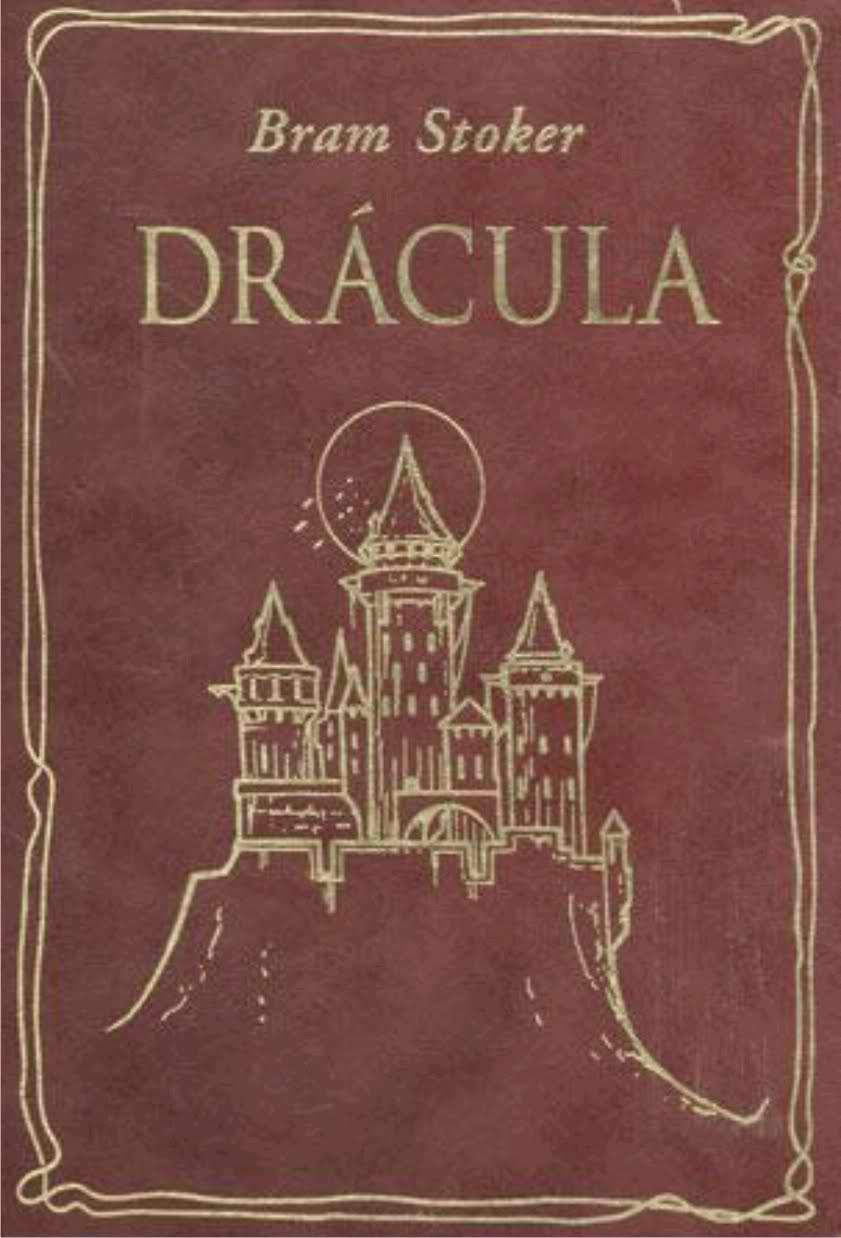
Bram Stoker - Dracula
(Book Cover)

The experimental stage is when cinemas needed ideas in order to produce the best films possible. In order to find inspiration for these films, the companies would turn to literature. An example of a film that was inspired by a book was Nosferatu (1922). This film was based on the book called Dracula which was written by Bram Stoker. Another film would be The Cabinet of Dr Calgari (1919). This film was based on Dr Jakyll and Mr Hyde by Robert Louis Stevenson. 

The classic stage is where the codes and conventions of a genre become seen as iconic and idealised as the guidelines for the genre. This means that this is when the classic/original films are made. They are the basis for future films. It gives future film makers structure for a narrative. An example of a film that was part of the classic stage would be Dracula which was produced at Universal Studios in 1931. This film was directed by Tod Browning and the film stared Bela Lugosi as Count Dracula. As discussed in the experimental stage, this film was based on the book and the movie was the basis for the future films in this series. 


The parody stage is the stage in which the codes and conventions of the genre and then they are used as a parody. This means that people can use the and mock the genre. The parody stage is based on the fact that the audience have understood the codes and conventions from the classic stage when they watched the film. this ensures that they will find the film funny. An example of this would be Scary Movie which was released in 1998. There are This film is a parody of the horror genre. There are five films in total. This film includes parody's of classic scenes such as "Scream". The films mock the genre to entertain the audiences. 


The Sixth Sense Poster
The last stage is the deconstruction stage. this is when a genre can begin to evolve and merge with others. It results in more genres  becoming less clear cut and the rules of the genre can be broken. Film companies did this in order to keep audiences from getting bored by keeping genres fresh by mixing two genres together. An example of a film that did this was The Sixth Sense. This film was made in 1999 and it incorporates several genres. These are horror, thriller, drama, suspense and super natural. During the late 1970's, the deconstruction stage was popular. There was a lot of low budget horrors that were being made. This meant that there was a lot of films being produced which started to change the way genres were used within films.

Monday, 16 November 2015

Mr Judge Feedback

Good work on film noir, well written and well researched. The essay is a bit wordy to look at so please break up paragraphs with visual imagery. A Classic femme fatale image and detective such as Philip Marlowe will be suffice.

Task 2.1 Research into Existing Products

The Detective from The Maltese Falcon
Film noir has a stereotypical story. This is the spider and the fly. This is when the detective is drawn in by a femme fatal into a web of deceit. This is how most films are set out. On the other hand, there are not requirements for the characters unlike gangster films and there is not requirement for locations unlike Weston films.


Film noir is a French term which means 'black film'. In 1930, it was when the depression  hit America. Cinemas allowed people to escape the reality of the depression. By 1939, there was more cinemas than banks. Independent cinemas need rights in order to show A list films. A list films are the movies that are guaranteed to bring in the most amount of profit when shown at the box office. Cinemas and film companies thought of a way in order to make profit on less profit making films as well and A list films. This was called block booking. This is when independent cinemas buy blocks of films from studios which included A-list films and B-list films. Within these blacks, a cinema could gain 100 films. The blocks were always purchases before films went into production. Studios were guaranteed profit on B-list films because cinemas were changed at a flat rate. The more B-list films made, the more profit that the companies would make as long as they kept the prices low. In 1948, the Supreme court of US ended block booking. This meant that companies had to cut back on B-list films because the distribution had to change. B-list films also changed by the way they were filmed and the audiences of these films were going to change.

The femme fatal in Maltese Falcon

A lot of films and stories were made. This included popular genres such as Weston, Gangster, Sci-Fi, Horror, Pulp Fiction and Crime novels. Pulp fiction became the basis for many films noirs. During this time, the finance in the film industry was high which mean that companies could experiment with films. A low budget experiment created film noir especially in the crime genre. Film noir is based on German expressionism. Artists were escaping Nazi threat in Germany and pursue a career in Hollywood. World War 2 left people in disillusion and feeling numb. This is a common theme that is in the majority of film noirs. To be able to gain the information to create this common theme, it was documentary film makers that came to Hollywood. These people film documentaries about the war which caused them to know about the impact that the war left people in. These film makers dealt with serious issues in their films like murder, sex and crime. This led to a code being made.


Film makers were bound by a motion picture production code called the "Hays Code". This code censored subjects that people found inappropriate. This resulted in directors having to be more suggestive rather than explicit in their films. They hid the ugly business in the shadows of the scene. In the late 1960's, there were higher budgets. There was also more risky content being put into films which then led to the Hays Code becoming non existent.

Due to block booking ending, this meant that there was cuts made within studios. This resulted in film makers losing their jobs but they found new employment which was in television. I Love Lucy was a television series. This programme used lighting set up which eliminated shadows. This was created by Karl Fruend. They found out that footage from a live multi media camera production could be cut together seamlessly. Flat lighting was also used for technical purposes. This kind of lighting contrasted with the moodiness in film noirs. Television and films were at war due to this. This kind of lighting is still used today. In the late 1950s, colour production became practical. In film noirs, harsh backlighting was used in order to create separation in black and white. When colour productions became practical, it meant that harsh backlighting wasn't needed because the differences in colours showed the separation.

The first classic film noir film was Stranger on the Third Floor. This was released in 1940. The plot is about a newspaper reporter and how his statement was used in court in order to convict a murder suspect but he had doubts about the conviction. The doubts were brought on by the newspaper reporter finding his neighbour dead in a similar way. The next film noir film was Double Indemnity  by Billy Wilder. This was released in 1944.