 |
| Christian Metz |
The four phases are as followed:
1. The Experimental
2. The Classic
3. The Parody
4. The Deconstruction
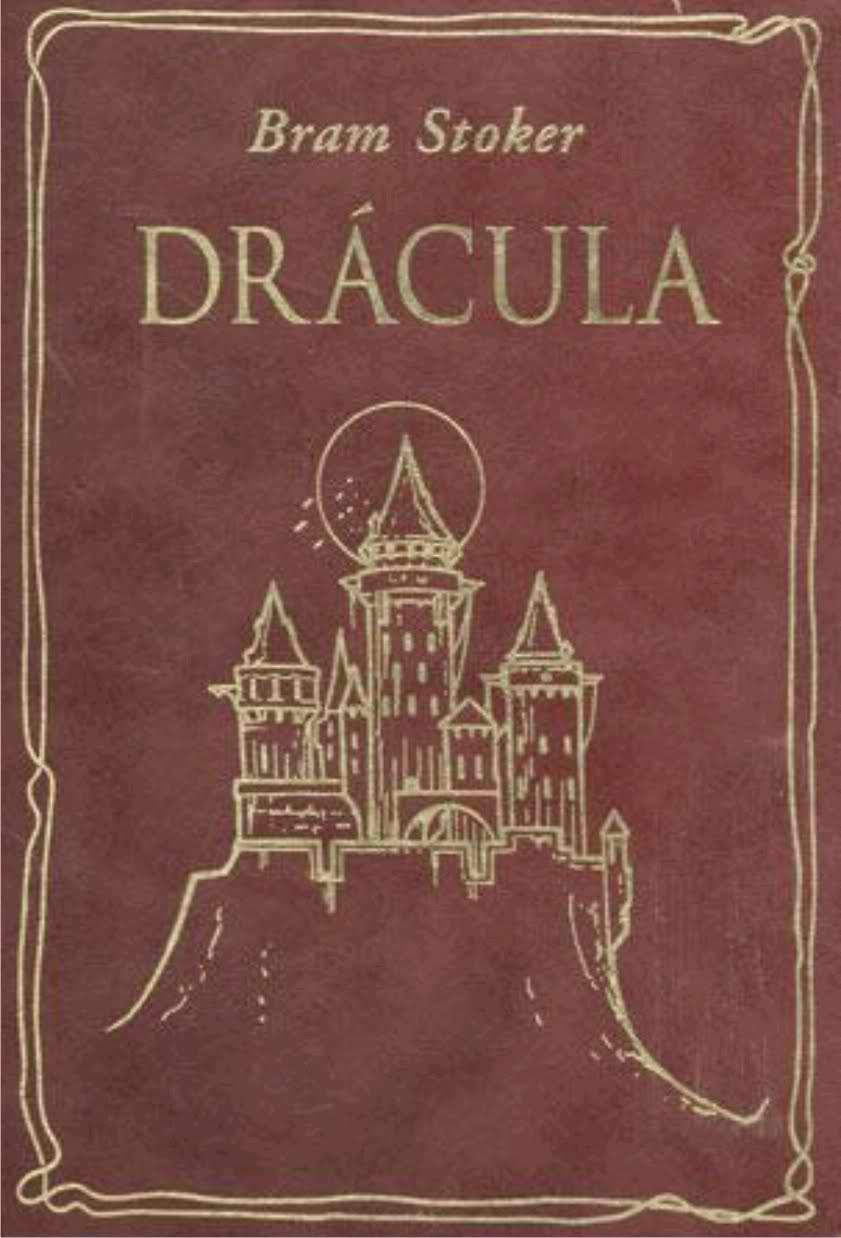 |
| Bram Stoker - Dracula (Book Cover) |
The experimental stage is when cinemas needed ideas in order to produce the best films possible. In order to find inspiration for these films, the companies would turn to literature. An example of a film that was inspired by a book was Nosferatu (1922). This film was based on the book called Dracula which was written by Bram Stoker. Another film would be The Cabinet of Dr Calgari (1919). This film was based on Dr Jakyll and Mr Hyde by Robert Louis Stevenson.
The classic stage is where the codes and conventions of a genre become seen as iconic and idealised as the guidelines for the genre. This means that this is when the classic/original films are made. They are the basis for future films. It gives future film makers structure for a narrative. An example of a film that was part of the classic stage would be Dracula which was produced at Universal Studios in 1931. This film was directed by Tod Browning and the film stared Bela Lugosi as Count Dracula. As discussed in the experimental stage, this film was based on the book and the movie was the basis for the future films in this series.
The parody stage is the stage in which the codes and conventions of the genre and then they are used as a parody. This means that people can use the and mock the genre. The parody stage is based on the fact that the audience have understood the codes and conventions from the classic stage when they watched the film. this ensures that they will find the film funny. An example of this would be Scary Movie which was released in 1998. There are This film is a parody of the horror genre. There are five films in total. This film includes parody's of classic scenes such as "Scream". The films mock the genre to entertain the audiences.
 |
| The Sixth Sense Poster |

No comments:
Post a Comment